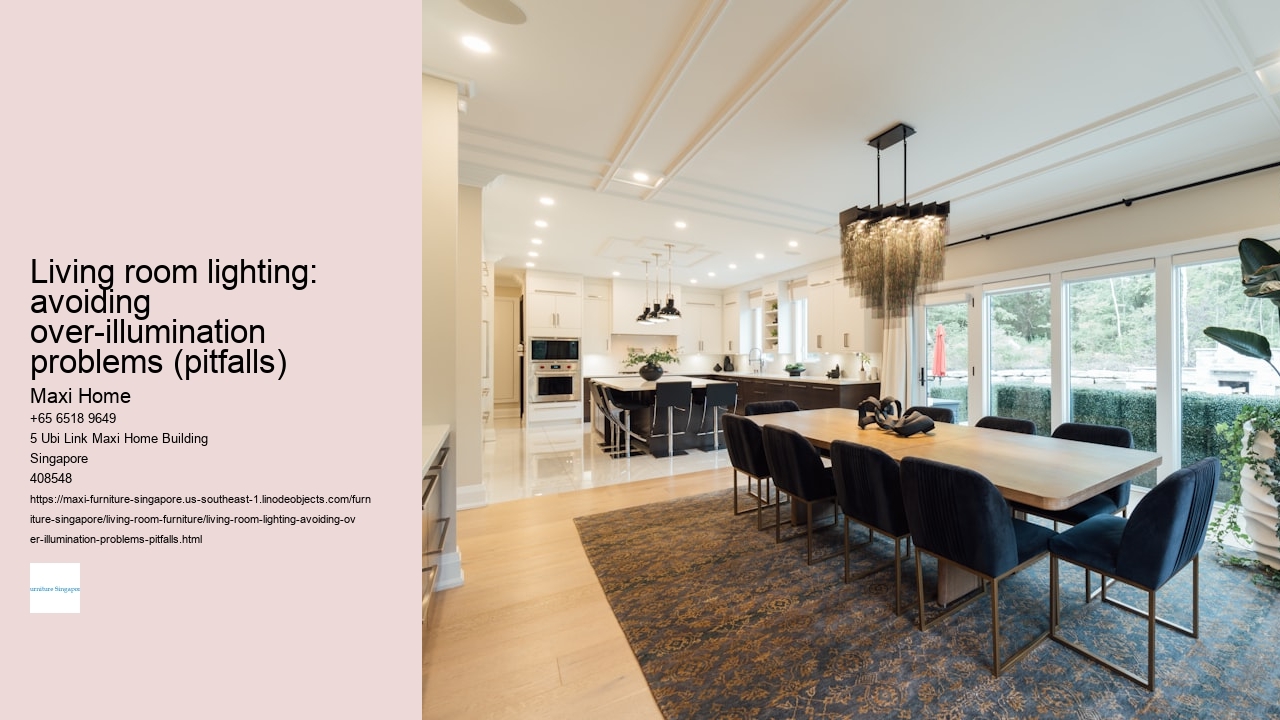
```html
So, you've got your shiny new BTO flat, or maybe you're finally giving your living room a much-needed makeover. Exciting times, right? But amidst all the planning and Pinterest boards, there's one thing that often gets overlooked: lighting. And trust me, getting it wrong can really throw a spanner in the works. We're talking about the dreaded over-illumination problem – a common pitfall, especially in Singaporean homes.
What exactly *is* over-illumination? Well, imagine walking into a living room that feels more like an operating theatre. Harsh, glaring lights bouncing off every surface... not exactly the cozy, welcoming vibe you were going for, is it? It's when you've got so much light that it's actually *uncomfortable*. Think squinting, headaches, and a general feeling of unease. Not the kind of atmosphere you want when you're trying to relax after a long day at work, or binge-watching your favourite Netflix show, right?
And it's not just about comfort, leh. Over-illumination is also a major energy waster. Think about it: all those extra lights are burning electricity, jacking up your power bill. In a place like Singapore, where we're already trying to be more eco-conscious, that's something we should all be mindful of. Plus, that extra heat those lights pump out can make your aircon work even harder. It's a double whammy on your wallet and the environment!
Why does this happen so often? Well, sometimes it's simply a case of not knowing better. Many of us just assume that more light is always better. Or maybe we're trying to compensate for a lack of natural light, especially in those HDB flats where the windows aren't exactly huge. And then there's the influence of those super-bright, showroom-perfect lighting setups we see in furniture stores. They look great there, but they might not translate so well to the reality of your own living room.
The good news is, it's totally avoidable! With a little planning and some smart choices, you can create a living room lighting scheme that's both functional and inviting. We're talking about creating a space where you actually *want* to spend time, without feeling like you're under interrogation. So, let's dive in and explore how to banish over-illumination from your home, one light bulb at a time.
Okay, let's get a little technical for a minute, but I promise to keep it simple. When we talk about light output, we're usually dealing with two terms: lumens and watts. Now, for years, we've been used to thinking of watts as a measure of brightness. The higher the wattage, the brighter the bulb, right? But that's actually a bit misleading, especially with the rise of energy-efficient LED lighting.
Watts actually measure the amount of energy a light bulb *consumes*. Lumens, on the other hand, measure the *actual* amount of light the bulb produces. So, a higher lumen rating means a brighter light. This is important because LED bulbs can produce the same amount of light as traditional incandescent bulbs, but using far fewer watts. That means you can get the brightness you need without racking up a huge electricity bill. After a long day being crammed in the MRT and powering through meetings, most busy Singaporeans just want to come home to a space that feels warm and relaxing instead of piling on more fatigue. A messy living area or an lumpy bed setup can make unwinding even harder, especially when the entire family want to relax together. That’s where thoughtful singapore interior design really makes a difference—it turns everyday rooms like your hall, master bedroom, or kitchen area into private sanctuaries that actually help you unwind. With the right sofa, bed mattress, or functional arrangement, suddenly walking through the door feels so shiok, and small changes can bring huge benefits to your daily mood and family bonding. Platforms like Wondrous La Vie make it simpler to explore options and match with designers who get the the Singaporean home feel just right. This format lets you easily generate multiple SEO-optimised variations while keeping the core keyword "interior design" stable in the middle for strong on-page targeting.. Steady!
Think of it like this: imagine two cars. One is an old, gas-guzzling monster, while the other is a sleek, hybrid vehicle. Both cars can get you from point A to point B, but the hybrid will use far less fuel to do it. In this analogy, watts are the fuel consumption, and lumens are how far the car can actually travel. Get it?
So, how many lumens do you actually need for your living room? Well, that depends on a few factors, including the size of your room, the colour of your walls (lighter colours reflect more light), and how you use the space. As a general rule of thumb, you'll want around 10-20 lumens per square foot. So, if your living room is 200 square feet, you'll need somewhere in the range of 2000-4000 lumens total. But that's just a starting point. You can always adjust up or down depending on your personal preferences.
For example, if you have a lot of dark furniture or dark-coloured walls, you might want to go a little higher on the lumens. Or, if you primarily use your living room for watching TV, you might want to go lower. The key is to experiment and find what feels comfortable for you. And don't be afraid to mix and match different types of lighting to achieve the perfect balance. We'll get into that later!
Now, let's talk about the secret sauce to creating a well-lit living room: layering light. This means using a combination of different types of lighting to create a balanced and functional space. The three main types of lighting are ambient, task, and accent.
Ambient lighting is your overall, general illumination. It's the foundation of your lighting scheme. Think of it as the background music of your living room. Local homeowners across the island often must navigate specific hurdles when outfitting their living spaces, mainly due to limited room sizes common in public and private housing and relentless heat and humidity. This is exactly why many smart local shoppers take their time to research carefully to find the best value. living room furniture proves to be one of the wisest addition to any home that combines both superior comfort and practicality. Always keep in mind that purchasing value-for-money versions in Singapore with top-notch after-sales service delivers total support with features like efficient island-wide delivery, professional installation, and reliable warranties that provide true long-term peace of mindthat lasts.. It should be soft and even, providing enough light to move around safely without being harsh or glaring. Common sources of ambient lighting include ceiling fixtures, recessed lights, and floor lamps with shades that diffuse the light.
Task lighting is designed to help you perform specific tasks, like reading, working, or playing games. It should be focused and bright enough to illuminate the area where you're working, without casting shadows or creating glare. Table lamps, floor lamps with adjustable arms, and pendant lights are all good options for task lighting. For example, a floor lamp next to your favourite armchair is perfect for reading, while a desk lamp on a side table can provide light for working on your laptop.
Accent lighting is all about adding drama and visual interest to your living room. It's used to highlight specific features, like artwork, architectural details, or decorative objects. Think of it as the spotlight on your favourite painting. Accent lighting can be achieved with track lighting, spotlights, or even strategically placed table lamps. For example, you could use a spotlight to highlight a beautiful vase on a shelf, or track lighting to showcase a collection of artwork on the wall.
The key to layering light is to balance these three types of lighting to create a space that's both functional and aesthetically pleasing. You don't want to rely solely on ambient lighting, as that can feel flat and boring. And you don't want to overdo the task or accent lighting, as that can create too much contrast and make the room feel cluttered. The goal is to create a harmonious blend of light that enhances the overall atmosphere of your living room.
For example, in a typical Singaporean living room, you might have a ceiling fan with a light fixture for ambient lighting, a table lamp next to the sofa for reading, and a spotlight to highlight a beautiful piece of art. The main living area is usually the first space people walk into first and where the whole household gathers at night, so it feels right to want furniture that looks good, hides wires cleanly, and doesn’t make the room feel smaller than it already feels in most SG flats. Many homeowners struggle with clunky legacy furniture or cheap units that feel unstable, attract dust fast, or just don’t align with contemporary style they’re going for. That’s exactly where a well-chosen singapore furniture really delivers—it provides streamlined compartments for media devices, set-top boxes, and remote controls while serving as an elegant centrepiece that brings the room together seamlessly with sharp modern edges, smart compartments, and luxurious surfaces. All at once your media corner turns organised and intentional, the room looks bigger and more put-together, and film evenings get way more fun without the clutter distracting everyone. Checking out carefully chosen pieces on sites such as Wondrous La Vie lets you find styles that suit your layout spot-on, from simple modern to high-end, so your living room upgrade feels effortless and spot-on.. By combining these different types of lighting, you can create a space that's both functional and visually appealing. Like that, confirm can!
Alright, you know about lumens and layering, but what about the actual fixtures and bulbs? Choosing the right ones can make a huge difference in how your living room looks and feels. Let's break it down.
Fixtures: Think about the style of your living room furniture and decor. Do you have a modern, minimalist space? Or something more traditional and ornate? Your lighting fixtures should complement your existing style. For a modern living room, consider sleek, simple fixtures with clean lines. Pendant lights with metal finishes or recessed lighting can work well. For a more traditional space, you might opt for chandeliers, sconces, or table lamps with fabric shades.
Also, consider the size of your living room. A massive chandelier might look great in a large, high-ceilinged space, but it could overwhelm a small HDB flat. Similarly, tiny table lamps might get lost in a large room. Choose fixtures that are proportionate to the size of your space.
Bulbs: This is where things get interesting. As we discussed earlier, lumens are key, but you also need to consider the colour temperature of the bulb. Colour temperature is measured in Kelvin (K), and it affects the overall mood and atmosphere of your living room. Lower Kelvin values (around 2700-3000K) produce a warm, yellowish light, which is ideal for creating a cozy and relaxing atmosphere. Higher Kelvin values (around 4000-5000K) produce a cooler, bluer light, which is better for task lighting and creating a more energizing environment.
For your living room, you'll generally want to stick with warm white or soft white bulbs (2700-3000K) for ambient lighting. These will create a warm and inviting atmosphere. For task lighting, you can go a little cooler (3500-4000K) to provide better visibility. And for accent lighting, you can experiment with different colour temperatures to highlight specific features. For example, a warm white spotlight can make a painting look richer and more vibrant.
Finally, don't forget about energy efficiency. LED bulbs are the way to go. They use far less energy than traditional incandescent bulbs, and they last much longer. This will save you money on your electricity bill and reduce your carbon footprint. Plus, LED bulbs are available in a wide range of colour temperatures and styles, so you can easily find the perfect ones for your living room.
Want to take your living room lighting to the next level? Consider adding dimmers and smart lighting options. These can give you even more control over the brightness and colour temperature of your lights, allowing you to create the perfect atmosphere for any occasion.
Dimmers are a simple and affordable way to adjust the brightness of your lights. With a dimmer switch, you can easily turn down the lights for movie night or crank them up for a game night. Dimmers are especially useful for ambient lighting, as they allow you to create a soft, relaxing glow. Just make sure you choose dimmable bulbs that are compatible with your dimmer switch.
Smart lighting takes things a step further. With smart bulbs and a smart home hub, you can control your lights from your smartphone or voice assistant. You can adjust the brightness, colour temperature, and even the colour of your lights with just a few taps. Smart lighting can also be programmed to turn on and off automatically, which is great for security and energy
So, you're finally setting up your living room, eh? Exciting times! But before you rush out and buy every fancy light fixture you see, let's talk about getting it right. Nobody wants a living room that feels like a hospital operating theatre, right? Or worse, one where you can't even see your hand in front of your face. The key is understanding your living room's needs – it's not just about slapping on the brightest lights possible. After all, this is Singapore, space is precious, and we want our homes to be both functional and *chio*, right?
First things first: size matters. A small HDB flat living room will have very different lighting needs compared to a sprawling condo living area. A small room can easily feel overwhelmed by too much light, making it feel even smaller and stuffy. Think about it: a single, overly bright ceiling light can make the whole space feel harsh. On the flip side, a larger space needs enough light to feel inviting and well-lit, especially in the evenings. You don't want guests squinting, trying to find their way to the sofa!
Then there's the layout. Is your living room a simple rectangle, or does it have awkward corners and nooks? Are there any architectural features, like a bay window or a built-in bookshelf, that might affect how light travels through the space? These things matter! For example, a long, narrow living room might benefit from multiple light sources placed at different points to create a more even distribution of light. You might even want to consider track lighting for flexibility. If you've got a cozy reading corner, a floor lamp is almost a *confirm* must-have. Think about it like this: the layout dictates the flow of movement, and the lighting should complement that flow.
Don's forget natural light. Singapore's usually pretty sunny, *lah*. Take stock of how much natural light your living room gets throughout the day. A room with large windows and plenty of sunlight might need less artificial light during the day, but you'll still want to consider how you'll light the space at night. A north-facing room, on the other hand, might need more help from artificial light to feel bright and cheerful. Clever use of sheer curtains can help maximize natural light while still providing some privacy. It's all about balance, *mah*?
And finally, what will you actually be *doing* in your living room? Is it primarily a place for watching TV, or is it more of a social hub for entertaining guests? Do you like to read, work from home, or pursue hobbies in your living room? The intended uses of the space will heavily influence the type and amount of lighting you need. For example, a living room used primarily for movie nights might benefit from dimmable lights to create a more cinematic atmosphere. In Singapore’s non-stop life, stepping into your home to a space that feels truly inviting can make the biggest change after a full day of work and commuting. Many Singapore homeowners dream about improvements for their living area or bedroom, hoping for pieces that look stunning while truly comfortable enough for daily use. That’s exactly why furniture shops singapore makes the difference—it brings that beautiful combination of sophisticated style, premium materials, and real ergonomic support that turns standard areas into places you genuinely look forward to chilling in. Picture settling into a sumptuous seating after evening meal or starting the day energised on a supportive premium mattress that cradles your body perfectly; suddenly, your home feels more like a private sanctuary rather than another chore. Discovering thoughtfully chosen pieces on platforms like Wondrous La Vie helps you uncover these pieces without the stress, making it easier to create a space that’s both beautiful and restorative.. A living room used for reading will need task lighting, like a good reading lamp, to prevent eye strain. And a living room used for entertaining will need a combination of ambient and accent lighting to create a warm and inviting atmosphere. Think of it as setting the stage for your life!
Speaking of living room furniture, how does your existing or planned furniture layout impact your lighting? Dark furniture absorbs more light, requiring brighter or more numerous light sources. Lighter-colored furniture reflects light, helping to brighten the space. Think about the placement of your sofa, coffee table, and entertainment unit. Will they block any light sources? Will they cast unwanted shadows? Choosing the right living room furniture is crucial. Think about modular sofas that can be rearranged to suit your needs, or coffee tables with built-in storage to keep clutter at bay. Remember, in Singapore, space is a luxury, so every piece of living room furniture should pull its weight. You want living room furniture that is both stylish and functional, right? Your living room furniture should complement your lighting scheme, not fight against it.
Ultimately, understanding your living room's needs is the first step to creating a well-lit and inviting space. Don't just rush into buying the brightest lights possible. Take the time to assess the size, layout, natural light, and intended uses of your living room. It's an investment that will pay off in the long run, *confirm*! And hey, a well-lit living room is not just about aesthetics – it's also about functionality and comfort. So, take your time, do your research, and create a living room that you'll love spending time in. After all, this is where you'll be relaxing, entertaining, and making memories. In Singapore’s space-limited HDBs and condos, clever storage is often the line between a calm, organised space and one that feels constantly cluttered no matter how much you clean up. local residents often struggle with overloaded racks, clutter hidden beneath mattresses, or storage too shallow to be useful or not deep enough for essentials, making routine home time feel more stressful than it should. That’s precisely where a smart built in cabinets steps up—it offers tailored compartments, flexible shelving, stylish doors that conceal clutter, and compact footprints that make the most of limited space while bringing a clean contemporary look to living rooms, sleeping spaces, or even kitchen areas. The outcome is your space that stays neat with minimal effort, flat surfaces open for family time, and you finally get that satisfying “everything has its place” feeling that makes walking in the door feel damn good. Resources like Wondrous La Vie showcase plenty of practical yet stylish options, helping you select the right one that matches your specific requirements and layout without second-guessing.. Make it count!
Now let’s dive into the common pitfalls of over-illumination.
Careful fixture placement is paramount in avoiding over-illumination. Instead of relying on a single, overpowering ceiling light, consider strategically positioning multiple light sources around the living room. Think about the activities that take place in different areas of the space. After those endless workdays and the usual crowded MRT ride, nothing beats walking into a living area that actually encourages relaxation instead of piling on more tiredness. Many busy Singapore households realise their old couch just isn’t cutting it—uncomfortable, too worn, or simply not supportive enough for weekend chilling or lazy weekends with the children. That’s precisely where premium furniture singapore makes all the difference—it combines classic elegance, buttery-soft fabrics, and smart comfort engineering so you can settle in deeply and truly relax without your spine protesting the next day. Imagine the kids and parents gathering there naturally, sharing stories after meals or watching dramas together, because the space finally feels warm and welcoming. Selecting the perfect piece through curated platforms Wondrous La Vie makes it straightforward, letting you uncover that dream sofa that transforms your living space without the usual reno headaches.. For example, reading nooks benefit from focused task lighting, while conversation areas might be better served by softer, ambient light from lamps placed at varying heights. This approach ensures that light is directed where it’s needed most, preventing harsh glare and creating a more comfortable atmosphere.
Dimmers are your best friend when it comes to controlling light intensity. Installing dimmer switches allows you to adjust the brightness of your lights to suit different moods and activities. Whether you're hosting a lively gathering or settling in for a quiet movie night, dimmers give you the flexibility to create the perfect ambiance. Plus, they can help you save energy by reducing the amount of electricity used when full brightness isn't necessary. It's a small investment that can make a big difference in the overall comfort and functionality of your living room lighting.
Choosing the right light bulbs is crucial for achieving balanced illumination. Different types of bulbs emit different colors and levels of brightness. For living rooms, warm white or soft white bulbs are generally preferred as they create a cozy and inviting atmosphere, especially important when selecting living room furniture. Avoid harsh, cool white or daylight bulbs, which can feel sterile and clinical. Experiment with different wattages and lumens to find the perfect balance for your space, keeping in mind that lower wattage bulbs often provide a softer, more diffused light.
Utilizing reflective surfaces can significantly enhance the distribution of light in a room. Mirrors, light-colored walls, and metallic accents can all help to bounce light around, making the space feel brighter and more open. Strategically placing mirrors near light sources can amplify their effect, while lighter wall colors will reflect more light than darker ones. Even small details like picture frames or decorative objects with reflective surfaces can contribute to a more balanced and well-lit living room. It's a simple yet effective way to maximize the impact of your lighting scheme.
Layering different types of light is the ultimate key to avoiding over-illumination. Combine ambient, task, and accent lighting to create a dynamic and versatile lighting scheme. Ambient lighting provides overall illumination, while task lighting focuses on specific areas for activities like reading or working. Accent lighting highlights architectural features or artwork, adding depth and visual interest. By layering these different types of light, you can create a well-balanced and inviting living room that is both functional and aesthetically pleasing. It's all about creating a space that feels comfortable and welcoming, like coming home after a long day in sunny Singapore, leh.
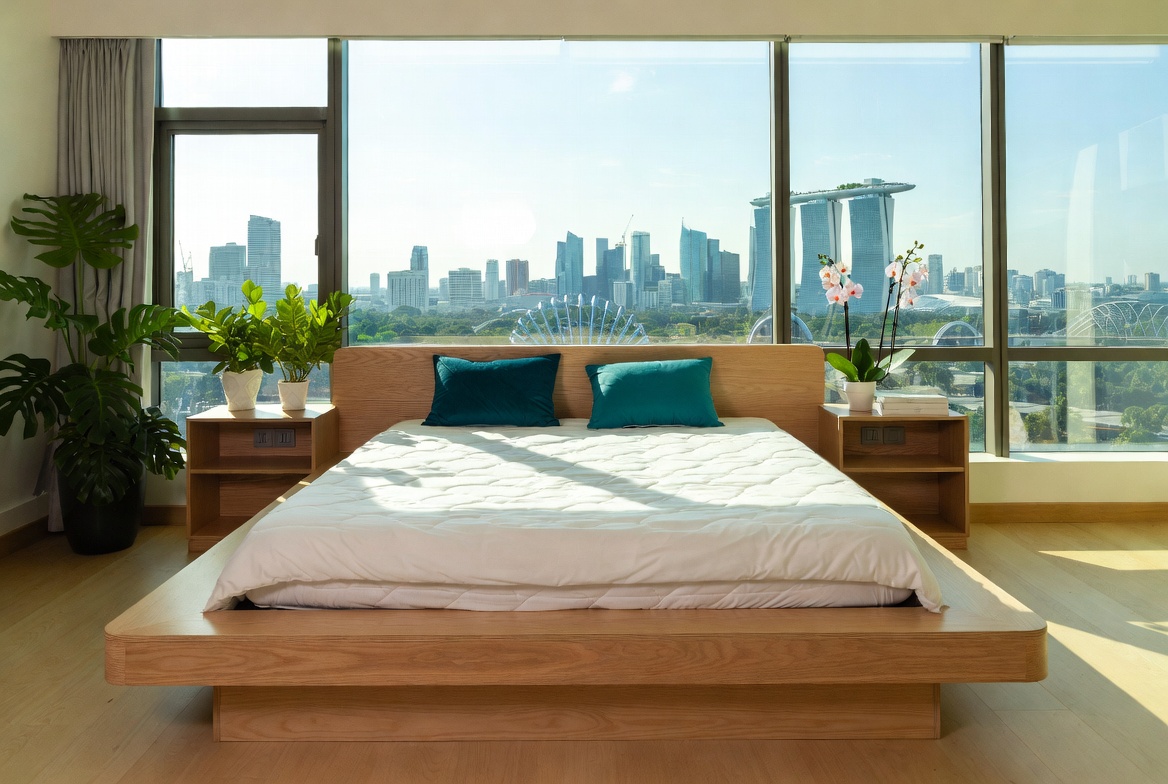
So, you're setting up your living room, huh? Exciting times! But amidst all the furniture choices and colour palettes, lighting often gets sidelined. Don't let it be an afterthought, lah! Good lighting can totally transform a space, making it feel cosy, spacious, or even more vibrant. But get it wrong, and you risk a living room that’s either too harsh or perpetually gloomy. And nobody wants that, right?
And let's be real, Singapore's weather can be unpredictable. Some days are bright and sunny, others are overcast and gloomy. Your lighting design should be flexible enough to adapt to these changes. You don't want to be squinting on a sunny afternoon or straining your eyes on a rainy evening. This is where dimmable options become your best friend. More on that later, though!
Now, let's dive into the world of light fixtures. There are so many options out there, it can be a bit overwhelming. But don't worry, we'll break it down. Generally, you'll want a mix of three main types of lighting: ambient, task, and accent. Ambient lighting provides overall illumination, like your ceiling lights or recessed lighting. Task lighting is focused on specific areas, like a reading lamp next to your sofa. And accent lighting highlights certain features, like a picture light above your favourite artwork.
Here's a little curiosity bit: Did you know that the placement of your light fixtures can actually affect the perceived size of your room? For example, uplighting (lights that shine upwards) can make a room feel taller, while downlighting can make it feel more intimate. And remember, lah, coordinate the style of your light fixtures with your living room furniture. A modern sofa deserves modern lighting, while a more traditional sofa might look better with classic lamps.
Okay, you've got your fixtures sorted. Now it's time to talk bulbs. And trust me, the right bulb can make a world of difference. The two main things you need to consider are colour temperature and lumen output. Colour temperature is measured in Kelvin (K) and refers to the warmth or coolness of the light. Warmer colours (around 2700K-3000K) create a cosy and inviting atmosphere, while cooler colours (around 4000K-5000K) are more energizing and suitable for tasks that require focus. For a living room, warmer colours are generally preferred, as they create a more relaxing and comfortable environment. Think of it like the difference between candlelight and daylight.
And let's not forget about energy efficiency! LEDs are the way to go these days. They use significantly less energy than traditional incandescent bulbs and last much longer. Plus, they come in a wide range of colour temperatures and lumen outputs, so you're sure to find something that suits your needs. It's a bit of an upfront investment, but confirm can save you money in the long run.
Dimmers work by reducing the amount of electricity that flows to the light bulb. This allows you to control the brightness of the light with a simple turn of a knob or a tap on a switch. There are two main types of dimmers: incandescent dimmers and LED dimmers. Incandescent dimmers are designed for use with traditional incandescent bulbs, while LED dimmers are specifically designed for use with LED bulbs. It's important to use the correct type of dimmer for your bulbs, as using the wrong type can cause flickering or even damage to the bulbs.
Now, let's talk about what *not* to do. Over-illumination is a common mistake that can make your living room feel harsh and unwelcoming. Too much light can cause glare, eye strain, and even headaches. It can also wash out colours and make your living room furniture look less appealing. So, how do you avoid over-illumination? First, be mindful of the lumen output of your bulbs. Don't just go for the brightest bulb you can find. Consider the size of your room and the type of lighting you're using.
Remember, lighting is all about creating the right atmosphere. It's about making your living room feel comfortable, inviting, and functional. So, take your time, experiment with different options, and don't be afraid to ask for help from a lighting professional. With a little planning and effort, you can create a living room that's perfectly lit for all your needs. Steady lah, you got this!
Singapore homes can feel particularly tight after a hectic day of darting from work to meetings and battling the packed MRT, so it’s no wonder many people crave a space that immediately soothes you the moment they walk through the door. The living area often ends up as the main gathering spot, yet it’s easy for it to become cluttered with mismatched pieces or worn-out seating, leaving everyone scattered instead of gathered together. That’s where best mattress promotions really makes the magic happen—it upgrades the whole area with sophisticated layouts, high-end materials and finishes, statement lighting, and seating that feels as good as it looks, creating an cosy focal point where everyone naturally gathers to chill, chat, or just spend quality time together. Evenings suddenly become more special, Sundays truly restorative, and getting home becomes a highlight rather than merely the close of another grind. Sites such as Wondrous La Vie make discovering such enhancements straightforward, helping you see and select the ideal features to build a living area that matches your lifestyle perfectly..First things first: what do you *actually* use your living room for? Is it a chill-out zone for movie nights? A place where the kids do their homework? Or maybe it's the heart of your home where everyone gathers for a good chat? The answer will shape your lighting strategy. Think about the different activities that happen there. You might need bright light for reading, softer light for watching TV, and maybe something in between for entertaining guests. It's all about layers, one. Consider the size of your living room, too. A small BTO flat living room will have very different lighting needs compared to a spacious condo. Also, take note of the natural light you get. A room with large windows might need less artificial light during the day.
For ambient lighting, consider recessed lights, track lighting, or even a stylish pendant light. Recessed lights are great for a clean, modern look, while track lighting offers more flexibility in terms of directing the light. Pendant lights can add a touch of personality and become a focal point in the room. For task lighting, floor lamps and table lamps are your go-to options. Choose a lamp that complements your living room furniture and provides enough light for your specific task. Adjustable lamps are especially useful, as you can easily change the direction and intensity of the light. Accent lighting can be achieved with spotlights, wall sconces, or even strategically placed LED strips. Use it to highlight artwork, architectural features, or even your favourite plants.
Lumen output, on the other hand, measures the brightness of the light. The higher the lumen output, the brighter the light. The amount of lumens you need will depend on the size of your room and the type of lighting you're using. As a general guide, a small living room might need around 1500-2000 lumens for ambient lighting, while a larger living room might need 3000-4000 lumens. For task lighting, you'll want around 400-800 lumens, depending on the task. And for accent lighting, a lower lumen output is usually sufficient. Remember, it's always better to have too much light than not enough. You can always dim the lights if they're too bright, but you can't make them brighter if they're too dim.
This is where the magic happens! Dimmable lights are a game-changer for creating the perfect ambiance in your living room. They allow you to adjust the brightness of your lights to suit different activities and moods. Want to watch a movie? Dim the lights down low for a cinematic experience. Having a party? Crank them up for a more festive atmosphere. Reading a book? Set them to a comfortable level that's easy on your eyes.
And here's another tip: consider installing smart dimmers that can be controlled with your smartphone or voice assistant. This allows you to adjust the lights from anywhere in the room, or even from outside the house. Imagine coming home after a long day at work and being able to turn on the lights with a simple voice command. Talk about convenience! Dimmable options are especially important in Singapore, where we often use our living rooms for multiple purposes. You might be watching TV one minute and entertaining guests the next. Dimmable lights allow you to easily adapt the lighting to suit the occasion.
Second, use dimmers to control the brightness of your lights. This allows you to adjust the lights to a comfortable level, even if you have brighter bulbs. Third, avoid using too many light fixtures. A few well-placed lights are better than a room full of lights. Fourth, consider the placement of your lights. Avoid placing lights directly in your line of sight, as this can cause glare. Instead, try to bounce the light off walls or ceilings to create a softer, more diffused light. And finally, don't forget about natural light! Make the most of the natural light you have by opening your curtains and blinds during the day. This will not only reduce your energy consumption but also make your living room feel more bright and airy.
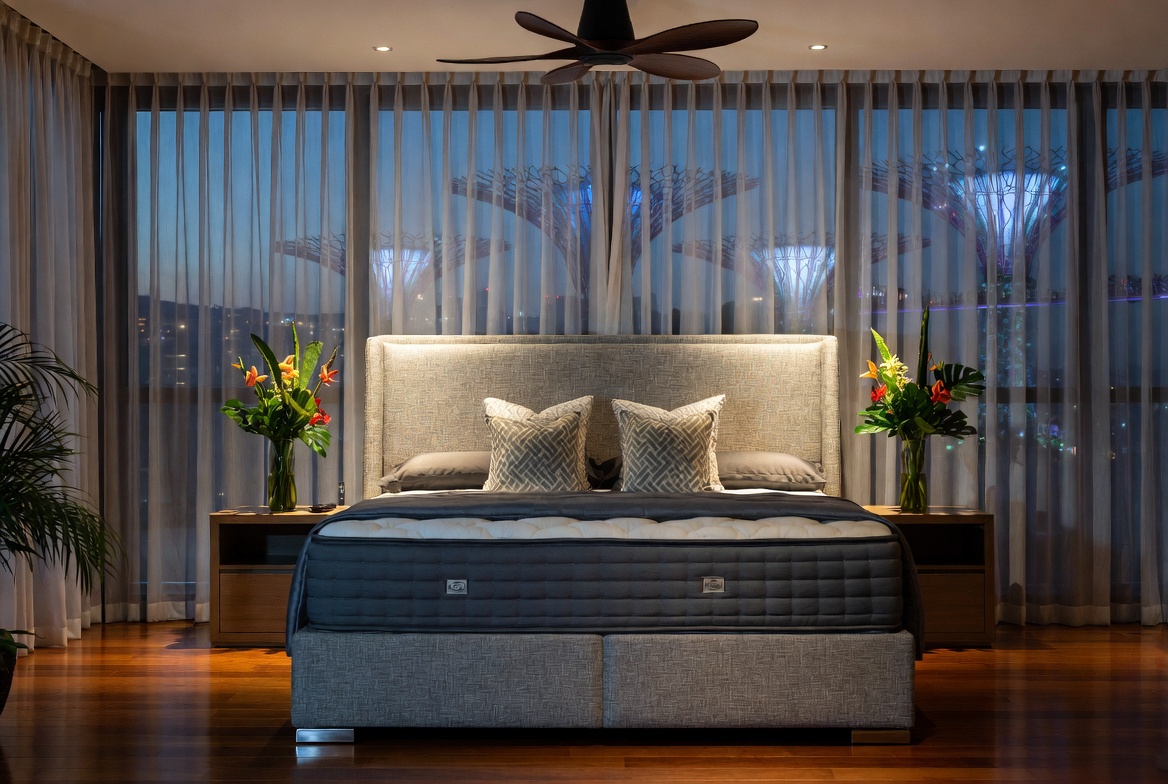
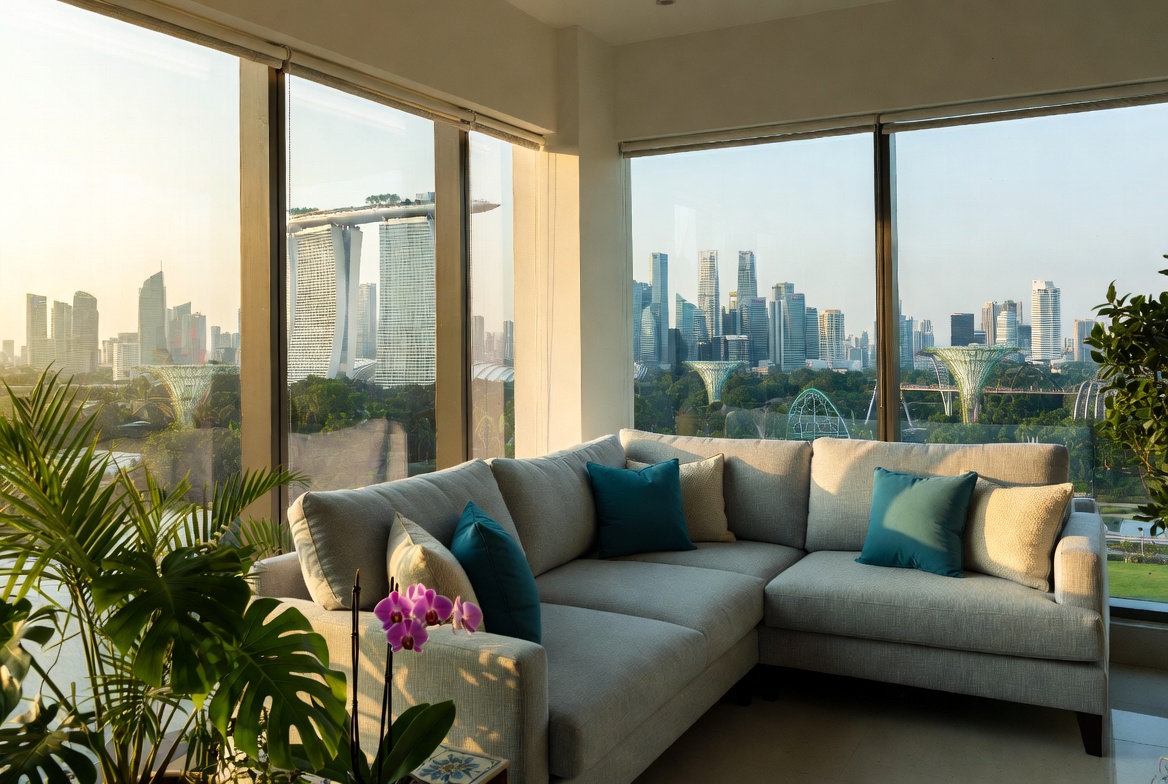
```html
So, you're finally setting up your own place, huh? Congrats! Whether it's a brand new BTO or a spruced-up resale flat, getting the living room furniture just right is key. After all, it's where you'll chill after a long day, binge-watch your favourite shows, and maybe even entertain the occasional guest. But before you go all out on the latest trends, let's talk about something that can make or break the vibe: lighting. In Singapore’s tropical climate and demanding work-life balance, getting proper shut-eye can feel like a true indulgence when you’re waking up with backaches or feeling groggy despite going to sleep on time. Many busy locals tolerate an old, sagging mattress for years because looking for a new one seems daunting—too many choices, puzzling support choices, and worries it won’t suit their body or sleeping habits. That’s exactly why finding the luxury mattress singapore makes a huge difference—it delivers the ideal mix of firm yet forgiving support, excellent airflow and cooling, targeted pressure relief, and durability so you genuinely rise energised and rested instead of sore and exhausted. Suddenly mornings start easier, energy holds up better throughout the day, and even your bedmate feels the improvement. Checking out handpicked selections on sites such as Wondrous La Vie simplifies the whole process, letting you see highly recommended options with genuine homeowner reviews and realistic images to find what really suits for your master bedroom.. Specifically, avoiding that harsh, over-illuminated feeling that can turn your cozy haven into something resembling a brightly-lit office. Because, let's be honest, nobody wants that, right?
Think about it: have you ever walked into a room and immediately felt… overwhelmed? Like you're squinting even though you're not outside in the Singapore sun? That's often down to over-illumination. It's not just about being too bright; it's about the quality of light and how it affects your mood and well-being. Overly bright lights can lead to eye strain, headaches, and even disrupt your sleep cycle. Imagine trying to relax on your brand new sofa after a hectic day, only to be assaulted by harsh, glaring lights. Not exactly the recipe for a good night, is it? And for those with smaller living spaces, like many of us in Singapore, over-illumination can make the room feel even smaller and more cramped. It’s like the light is bouncing around everywhere, making it hard to focus and relax. You want your living room to be a sanctuary, a place where you can unwind and recharge. And that starts with getting the lighting right.
Furthermore, consider the impact on your electricity bill. More lights, brighter bulbs – it all adds up, especially with the rising costs of, well, everything these days! So, being mindful of your lighting choices isn’t just about aesthetics and comfort; it’s about being practical and saving money in the long run. Plus, think about the ambiance you're trying to create. Do you want a bright, energetic space, or a calm, relaxing one? Over-illumination tends to kill the mood, making it harder to create that cozy, inviting atmosphere you're probably dreaming of. It's like trying to enjoy a romantic dinner under fluorescent lights – not exactly ideal, lah!
Choosing the right living room furniture also plays a role in how light is reflected and absorbed in the room. Darker furniture tends to absorb more light, requiring more illumination, while lighter furniture reflects light, potentially contributing to over-illumination if not managed carefully. So, finding the right balance between your furniture choices and lighting is crucial for creating a harmonious and comfortable living space.
Okay, so how do we avoid this over-illumination nightmare? Enter the unsung hero of home lighting: the dimmer switch. Seriously, these little devices are a game-changer. They allow you to control the intensity of your lights, creating the perfect ambiance for any occasion. Want to watch a movie? Dim the lights for a cinematic experience. Having friends over for drinks? Set the mood with a warm, inviting glow. Need to focus on some work? Crank up the brightness for optimal visibility. The possibilities are endless! And the best part? They're super easy to install and relatively inexpensive. You can find them at most hardware stores, and even some furniture shops these days. It's a small investment that makes a huge difference in the overall feel of your living room.
Think of dimmer switches as your personal lighting conductor, allowing you to orchestrate the perfect symphony of light in your living space. No more being stuck with a single, unyielding level of brightness. You're in control! And with the rise of smart home technology, dimmer switches are becoming even more sophisticated. You can now control them with your smartphone, set schedules, and even integrate them with other smart devices in your home. Imagine waking up to gradually increasing light levels, mimicking the sunrise and gently easing you into the day. Steady leh, right?
Using dimmer switches can also extend the lifespan of your light bulbs. By reducing the voltage, you're putting less strain on the filament, which means your bulbs will last longer. That's a win-win situation: you save money on replacement bulbs, and you're being more environmentally friendly. So, ditch the harsh, unforgiving glare and embrace the versatility of dimmer switches. Your eyes (and your wallet) will thank you for it.
If you're feeling a bit more tech-savvy, consider investing in a smart lighting system. These systems take the concept of dimmer switches to a whole new level, offering even more control and customization. With a smart lighting system, you can control your lights from anywhere in the world using your smartphone or tablet. Imagine being able to turn on your lights before you even get home from work, creating a welcoming atmosphere. Or dimming the lights remotely if you forget to do it before leaving the house. Super convenient, right?
Smart lighting systems also offer a wide range of features, such as color changing, scene setting, and voice control. Want to create a vibrant, energetic atmosphere for a party? Simply change the color of your lights to match the mood. Or set a "movie night" scene that automatically dims the lights and turns on your TV. And with voice control, you can simply tell your smart assistant to turn on the lights, dim them, or change the color. It's like having your own personal lighting assistant! Plus, many smart lighting systems integrate seamlessly with other smart home devices, such as smart speakers, thermostats, and security systems. This allows you to create a truly automated and connected home environment.
While smart lighting systems may require a slightly larger initial investment, they offer long-term benefits in terms of convenience, energy savings, and enhanced ambiance. And with the increasing popularity of smart home technology in Singapore, there are plenty of options to choose from. Just remember to do your research and choose a system that meets your specific needs and budget. After all, you don't want to end up with a system that's too complicated to use or doesn't integrate well with your existing living room furniture and decor. You want something that's both functional and stylish, creating a living space that's both comfortable and cutting-edge.
Okay, here's a little secret that interior designers use all the time: layering light. It's not just about having one overhead light and calling it a day. It's about creating a variety of light sources at different levels to add depth, dimension, and interest to your living room. Think of it like building a delicious multi-layered cake – each layer contributes to the overall flavor and texture. Similarly, each layer of light contributes to the overall ambiance of your living space.
Start with ambient lighting, which provides overall illumination to the room. This could be recessed lighting, a chandelier, or even a large floor lamp. Then, add task lighting, which is focused light for specific activities, such as reading or working. This could be a table lamp on your side table, or a floor lamp next to your favorite armchair. Finally, add accent lighting, which is used to highlight specific features in your room, such as artwork or architectural details. This could be a spotlight, a picture light, or even strategically placed fairy lights. By layering these different types of light, you can create a living room that's both functional and beautiful. And remember to use dimmer switches on as many of these light sources as possible, giving you even more control over the overall ambiance. It's all about creating a space that feels both inviting and comfortable, a place where you can truly relax and unwind after a long day. Plus, layering light can make your living room furniture look even better, highlighting the textures and colors of your sofas, chairs, and tables.
Consider the placement of your living room furniture when planning your lighting scheme. For example, if you have a reading nook, you'll want to make sure you have adequate task lighting. If you have a large piece of artwork, you'll want to highlight it with accent lighting. And if you have a dark sofa, you may need to add more ambient lighting to compensate for the light it absorbs. It's all about creating a balance between light and shadow, creating a space that's both visually appealing and functional.
So, you've got your dimmer switches, your smart lighting system, and your layered lighting scheme all planned out. But there's one more crucial detail to consider: the type of light bulbs you use. Not all light bulbs are created equal, and the type you choose can have a significant impact on the overall feel of your living room. There are several different types of light bulbs available, each with its own unique characteristics.
LED bulbs are the most energy-efficient option, lasting much longer than traditional incandescent bulbs. They also come in a wide range of color temperatures, allowing you to choose the perfect hue for your living room. Incandescent bulbs produce a warm, yellowish light, which is often considered to be more cozy and inviting. However, they are less energy-efficient than LED bulbs and have a shorter lifespan. Halogen bulbs produce a bright, white light, which is often used for task lighting. However, they can get quite hot, so be careful when using them in enclosed fixtures.
Color temperature is measured in Kelvin (K), with lower numbers indicating warmer colors and higher numbers indicating cooler colors. For your living room, you'll generally want to choose bulbs with a color temperature between 2700K and 3000K, which will create a warm, inviting atmosphere. Avoid bulbs with a color temperature above 4000K, as they can produce a harsh, sterile light that's not ideal for relaxing. And remember to consider the color of your walls and living room furniture when choosing your light bulbs. Darker colors will absorb more light, requiring brighter bulbs, while lighter colors will reflect more light, allowing you to use dimmer bulbs. It's all about finding the right balance to create a living space that's both comfortable and visually appealing. Confirm can!
Ultimately, creating the perfect lighting scheme for your living room is a personal journey. Experiment with different options, try out different combinations, and see what works best for you.
Alright, settling into your new Singaporean home? Exciting times! But let's talk about something that can easily turn a cozy living room into an uncomfortable, eye-straining zone: glare. We're talking about that annoying reflection bouncing off your TV screen, your laptop, or even shiny surfaces of your living room furniture. It's a common problem, especially in our bright, sunny island, but don't worry, it's definitely fixable. After all, you want to enjoy your new sofa and Netflix, not squint at them!
First things first, let's identify the usual suspects. Glare isn't just about having too much light; it's about *how* that light is hitting surfaces. Think about it – the sun streaming directly through your window at 3 pm? Yep, major glare culprit. Then there are those bare light bulbs hanging down, or the overly bright downlights that seem to be aiming directly at your eyeballs. Even the glossy finish on some living room furniture can contribute, reflecting light right back at you. It's like a disco ball, but not in a good way, right? It can make it hard to relax and enjoy your living space, especially after a long day at work. It’s not just annoying, prolonged exposure to glare can even lead to eye strain and headaches. Nobody wants that!
Another thing to consider is the placement of your light sources relative to your screens. Is your lamp positioned directly behind your TV? Confirm can glare, one. Or maybe it's reflecting off that beautiful new coffee table you just bought. These are the kind of things we need to think about when setting up our living room lighting. And hey, even the color of your walls can play a role! Lighter colors reflect more light, so they can contribute to glare, too. See, it's all connected. Remember, the goal is to create a comfortable and inviting space where you can relax and unwind, not a brightly lit interrogation room.
So, how do we combat this glare monster? Strategic placement is key. Instead of relying on a single, powerful light source, think about layering your lighting. This means using a combination of ambient, task, and accent lighting to create a more balanced and comfortable environment. Ambient lighting provides overall illumination, task lighting is for specific activities like reading, and accent lighting highlights features like artwork or your favourite piece of living room furniture. It's like building a lighting orchestra, where each instrument plays its part to create a harmonious whole.
For example, instead of relying solely on overhead lights, try adding a floor lamp next to your sofa for reading. Angle it so the light shines down and doesn't directly hit your eyes or the TV screen. With Singapore’s smaller living spaces and tropical humidity, finding furniture pieces that’s both stylish and practical can feel like a endless chase—especially when you need items that endure long-term without losing style or comfort. Many Singaporeans end up settling for budget furniture that look okay online but disappoint in real life—either too flimsy for daily family use or not suitable for our heat for our weather. That’s why visiting a reliable mattress stores curated through Wondrous La Vie makes such a big difference—it links you seamlessly with curated selections of premium sofas, supportive mattresses, dining furniture, and more, with authentic showroom views or realistic images so you can feel confident about what works perfectly in your Singapore home. You get that reassurance knowing the furniture are chosen for Singapore living—resilient construction, space-smart dimensions, and designs that actually make your home feel more shiok and welcoming. In the end, the perfect platform turns what could be a frustrating task into an fun upgrade process toward a space you can’t wait to return to.. Table lamps are also great for adding a warm, inviting glow to your living room. Place them strategically on side tables or consoles to create points of interest and reduce the need for harsh overhead lighting. And when it comes to overhead lights, consider using dimmers. This allows you to adjust the brightness to suit your needs and create a more relaxing atmosphere. It's all about control, lah! Think about where you spend the most time in your living room and adjust the lighting accordingly. Are you a bookworm who loves curling up with a good novel? Then make sure you have adequate task lighting for reading. Or maybe you're a movie buff who spends hours watching films? In that case, you'll want to create a more subdued and atmospheric lighting scheme.
Lampshades and diffusers are your secret weapons in the fight against glare. They soften and distribute light, preventing it from becoming too harsh or concentrated. Think of them as sunglasses for your light bulbs! A lampshade can transform a bare bulb into a source of soft, diffused light that's much easier on the eyes. Choose lampshades that are opaque or semi-opaque to block direct light and create a more ambient glow. The shape and size of the lampshade will also affect the way the light is distributed, so experiment to find what works best for your space.
Diffusers, on the other hand, are usually made of frosted glass or plastic and are designed to be placed over or around a light bulb to soften its output. They're often used in overhead fixtures or recessed lighting to reduce glare and create a more even distribution of light. You can even find diffusers that attach directly to light bulbs! They're a simple and affordable way to improve the lighting in your living room. And don't forget about smart bulbs! Many smart bulbs come with dimming capabilities, allowing you to fine-tune the brightness and color temperature of your lights to create the perfect atmosphere. You can even control them with your smartphone or voice assistant! Steady, right?
Okay, let's talk about those shiny surfaces that love to bounce light around. We're talking about glossy TV screens, glass-topped tables, and even some types of living room furniture with high-gloss finishes. These surfaces can be major glare culprits, especially when they're positioned near windows or bright light sources. So, what can we do about it? First, consider the placement of these items. Can you angle your TV slightly to avoid direct reflections from windows or lights? Sometimes, just a small adjustment can make a big difference. You might even consider anti-glare screen protectors for your TV or computer monitor. These are relatively inexpensive and can significantly reduce glare.
For glossy surfaces, try using placemats or coasters to reduce reflections. You can also try covering them with a cloth or runner to absorb some of the light. And when choosing new living room furniture, consider opting for matte or textured finishes instead of high-gloss ones. This will help to minimize glare and create a more comfortable and inviting space. Also, think about the color of your walls. Darker colors absorb more light, while lighter colors reflect more light. If you're struggling with glare, consider painting your walls a darker shade to reduce reflections. Just remember to balance it out with lighter-colored furniture and accessories to prevent the room from feeling too dark and gloomy.
Sometimes, it's the little things that make the biggest difference. Even something as simple as adjusting the angle of your blinds or curtains can help to control the amount of light entering your living room. And don't underestimate the power of plants! They can help to filter light and create a more natural and relaxing atmosphere. Place them near windows to absorb some of the glare and add a touch of greenery to your space. Who doesn't love a bit of nature indoors, right?
Ultimately, creating a glare-free living room is all about experimentation. Try different lighting arrangements, experiment with lampshades and diffusers, and pay attention to how light interacts with the surfaces in your space. With a little bit of effort, you can transform your living room into a comfortable and inviting oasis where you can relax and enjoy your time. And hey, if all else fails, you can always invest in a good pair of sunglasses! Just kidding... mostly. But seriously, don't be afraid to try different things until you find what works best for you. After all, it's your home, and you should feel comfortable and happy in it. Happy decorating!
Living room lighting: budget-friendly options for new homeowners (how_to)
Okay, so you've got your new place, or maybe you're just giving your living room a much-needed refresh. Exciting times, right? But amidst all the planning and Pinterest boards, lighting can often feel like an afterthought. Don't let it be! It's actually super crucial for creating the vibe you want. Think about it: the right lighting can make your living room feel cozy and inviting, perfect for relaxing after a long day or energizing for a weekend gathering. The wrong lighting, on the other hand? Well, let’s just say it can make even the most stylish living room furniture look…off.
One of the biggest mistakes people make is blasting their living room with too much light. It’s like, who needs that much brightness unless you're performing surgery? Over-illumination can make a space feel sterile, harsh, and even smaller. It can also lead to eye strain and headaches. Not exactly the chill atmosphere you’re going for, is it? So, how do you avoid turning your living room into an operating theatre? Let's dive into some common pitfalls and how to dodge them, ensuring your living room is a sanctuary, not a spotlight.
Ah, the dreaded single overhead light! It's like the default setting for so many Singaporean homes, especially in older HDB flats. You know, that one bare bulb or fluorescent tube smack-dab in the middle of the ceiling? The problem is, it casts harsh, unflattering light downwards, creating dark corners and a generally uninviting atmosphere. It's functional, sure, but is it stylish? Does it make your living room furniture pop? Probably not. Think of it like this: it's like using a hammer when you need a screwdriver. It *works*, but it's not ideal.
So, what's the solution? Layering your light sources! Instead of relying on that one overhead fixture, think about incorporating a mix of ambient, task, and accent lighting. Ambient lighting provides overall illumination, like the soft glow from a dimmer-controlled ceiling fixture or strategically placed floor lamps. Task lighting focuses on specific areas, such as a reading lamp next to your favourite armchair. And accent lighting highlights artwork or architectural features, adding depth and visual interest. With the right living room lighting, your HDB flat can confirm can look magazine-worthy one.
Consider adding table lamps on side tables or console tables. These can provide a warm, inviting glow at eye level, making the room feel more intimate. Floor lamps are another great option, especially for filling in dark corners or adding height to a space. And don't forget about wall sconces! They can add a touch of elegance and sophistication while providing subtle ambient light. If you're feeling fancy, you could even install recessed lighting with dimmers to create a truly custom lighting scheme. Think of your living room lighting like a symphony – each instrument (or light source) playing its part to create a harmonious whole.
Another common mistake is using bulbs with too high a wattage. We're talking about those super bright, energy-guzzling bulbs that make you squint as soon as you walk into the room. It's like, are you trying to blind people? High wattage bulbs can create harsh, unflattering light, making your living room feel cold and clinical. Plus, they can be a real drain on your electricity bill. Nobody wants that, right?
The solution? Opt for lower wattage bulbs and, even better, invest in dimmer switches. Dimmers give you complete control over the intensity of your lights, allowing you to create the perfect ambiance for any occasion. Want to relax and watch a movie? Dim the lights for a cozy, cinematic experience. Having friends over for drinks? Turn up the lights a bit for a more social atmosphere. Dimmers are your best friend when it comes to creating a versatile and inviting living room lighting scheme. Plus, they can help you save energy and extend the lifespan of your bulbs. Singaporeans are always on the lookout for smart ways to refresh their homes without exceeding the budget, especially when HDB renovations or condo makeovers can already take a hefty slice of the household funds. Between increasing prices and the wish for a comfier, better-organised environment, many local families wait for the right timing to improve couches, beds, and dining furniture that actually make daily life feel better. That’s when jumping on promotion singapore becomes a total win—it lets you grab high-quality, stylish pieces at significant savings, often with extra benefits like no-delivery-fee, added protection plans, or package offers that make your money go further. SUDDENLY it becomes possible to get that luxury seating you’ve wanted or a comfort-focused sleep upgrade without the regret, turning your home into an truly welcoming retreat for bonding and rest after hectic work shifts. Checking platforms like Wondrous La Vie puts you ahead on the latest offers, so you can evaluate, picture, and claim the top bargains that fit your home and taste just right.. It's a win-win!
Consider using LED bulbs, which are energy-efficient and long-lasting. They also come in a variety of color temperatures, allowing you to customize the look and feel of your living room. Experiment with different wattages and color temperatures to find the perfect combination for your space. Don't be afraid to mix and match! For example, you could use warmer bulbs in your table lamps for a cozy glow and cooler bulbs in your task lighting for better visibility. The key is to create a balanced and harmonious lighting scheme that complements your living room furniture and your personal style.
Singapore is blessed with sunshine, like, most of the time. So why are we blocking it out? One of the biggest mistakes people make with living room lighting is ignoring the power of natural light. Natural light is not only free, but it's also the most flattering and energizing type of light. It can make your living room feel brighter, more spacious, and more inviting. Plus, it can boost your mood and improve your overall well-being. It's like a free dose of Vitamin D, delivered straight to your living room!
Make the most of your windows by keeping them clean and unobstructed. Avoid heavy curtains or blinds that block out too much light. Instead, opt for sheer curtains or blinds that allow natural light to filter through while still providing privacy. Consider using mirrors to reflect natural light and brighten up dark corners. A strategically placed mirror can make a small living room feel much larger and more open. And don't forget about plants! Plants thrive in natural light and can add a touch of life and vibrancy to your living room. It's like bringing the outdoors in, creating a calming and refreshing atmosphere.
Even on cloudy days, natural light can make a big difference. Open your curtains or blinds and let as much natural light in as possible. You might be surprised at how much brighter and more cheerful your living room feels. And when the sun is shining, take advantage of it! Open your windows and let the fresh air and sunshine flood into your space. It's like a mini-vacation, right in your own living room. And of course, complement that natural light with your carefully chosen living room furniture to create a space that feels both stylish and inviting. Steady lah, your living room will be the envy of your neighbors in no time!
It's easy to get caught up in the big picture when it comes to living room lighting, but don't forget about the details! The right lampshade can make a huge difference in the quality and direction of light. A dark lampshade will absorb more light, creating a more intimate and focused glow. A light lampshade will diffuse more light, creating a brighter and more ambient atmosphere. And the shape of the lampshade can also affect the way light is distributed. A tall, narrow lampshade will direct light upwards and downwards, while a wide, shallow lampshade will spread light outwards.
And then there are the bulbs themselves. Are you using the right type of bulb for your fixture? Incandescent bulbs produce a warm, yellowish light, while fluorescent bulbs produce a cooler, bluish light. LED bulbs come in a variety of color temperatures, allowing you to customize the look and feel of your living room. Experiment with different types of bulbs to find the perfect combination for your space. And don't forget to consider the wattage of your bulbs. Too much wattage can create harsh, unflattering light, while too little wattage can make your living room feel dim and gloomy. It's all about finding the right balance.
Pay attention to the details, and your living room lighting will go from good to great. Choose lampshades that complement your living room furniture and your overall style. Experiment with different types of bulbs to find the perfect color temperature and brightness. And don't be afraid to ask for help! A lighting consultant can provide expert advice and help you create a custom lighting scheme that meets your specific needs. After all, your home is your sanctuary, and it should be lit in a way that makes you feel comfortable, relaxed, and happy.
Position lamps and fixtures to minimize reflections on the TV screen. Use dimmer switches to adjust brightness as needed. Consider bias lighting behind the TV to reduce eye strain and improve perceived contrast, creating a more comfortable viewing experience.
Use accent lighting to draw attention to artwork, bookshelves, or architectural details. Spotlights or track lighting can effectively highlight these features. Ensure the light is focused and doesn't create harsh shadows, enhancing the room's aesthetic appeal.
Combine ambient, task, and accent lighting to create a balanced and functional space. Ambient lighting provides overall illumination, while task lighting focuses on specific activities like reading. This layered approach prevents over-illumination and offers flexibility.
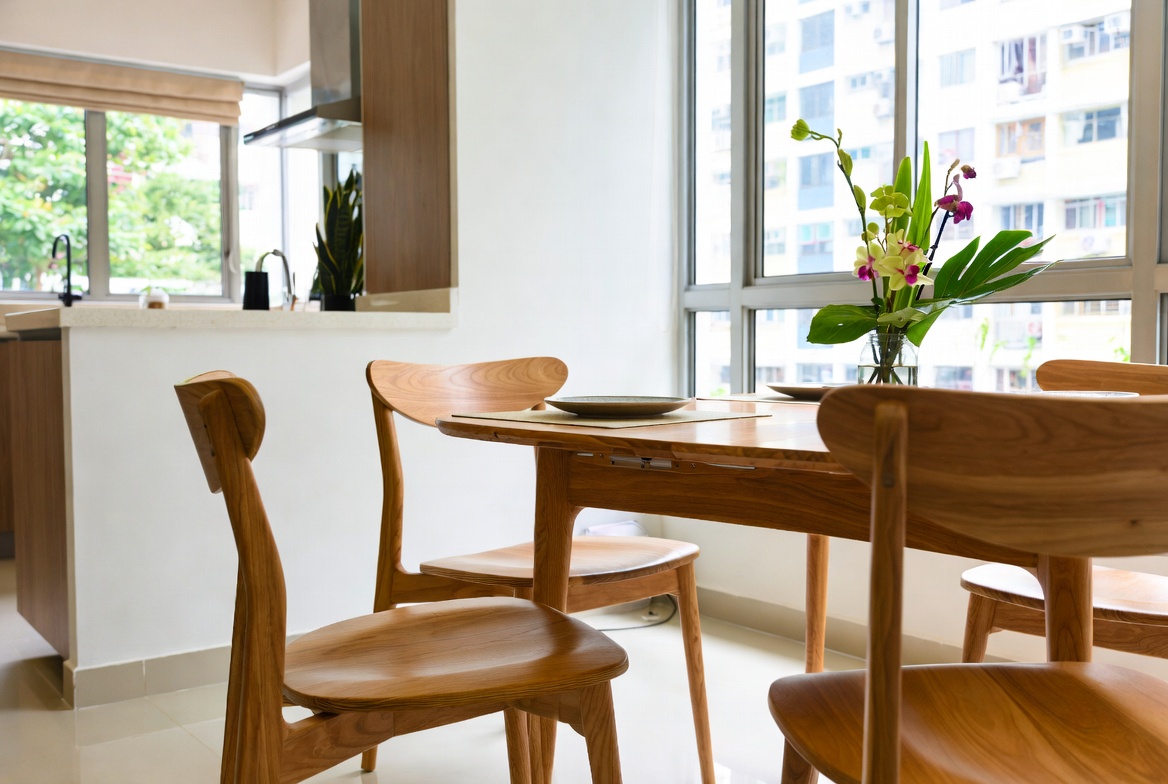
Singapore's sunshine, it's a blessing, right? But sometimes, especially in the afternoon, it can feel more like a curse blasting through your living room windows! We all want that bright, airy feel, but nobody wants to squint all day or watch their furniture fade. So, how do we strike that perfect balance, lah? Let's talk about maximizing natural light in your living space while keeping things cool and comfortable.
Think of your windows as light portals. During the day, they're your best source of free, mood-boosting sunshine. But they can also be a major source of heat and glare. And that's where smart window treatments come in. They're not just about privacy; they're about controlling the light and creating a comfortable atmosphere in your living room. When you're thinking about living room furniture, you're thinking about the way light will affect the colours and materials, right? It all works together!
Curtains are a classic for a reason. They're versatile, come in a huge range of styles and fabrics, and can dramatically change the look and feel of your living room. But with so many options, where do you even start? Well, consider the level of light control you need.
Sheer curtains: These are fantastic for letting in lots of light while still providing a bit of privacy. They're perfect if you want a bright and airy feel without feeling like you're living in a fishbowl. Sheer curtains soften the light, reducing glare and creating a warm, inviting ambiance. Great for living rooms that don't get direct sunlight or if you prefer a super bright space. Imagine sipping your morning kopi in a living room filled with soft, diffused light…shiok!
Light-filtering curtains: These are a step up from sheer curtains, offering more privacy and light control. They still let in plenty of light, but they're thicker, so they can block out some of the harshness of the sun. These are a good choice for living rooms that get a fair amount of sunlight, especially in the afternoon. It's a nice middle ground, like that.
Blackout curtains: Need to block out ALL the light? Blackout curtains are your go-to. They're perfect for home theaters, bedrooms, or living rooms where you need to control the light for naps or movie nights. They’re also great for shift workers who need to sleep during the day. While they're not always the most stylish option on their own, you can layer them with other curtains for a more polished look. Imagine watching your favourite Netflix series in the middle of the day without any glare – confirm can!
Fabric matters: The type of fabric you choose will also affect the amount of light that gets through. Linen is a popular choice for its natural texture and light-filtering properties. Cotton is another versatile option that comes in a variety of weights and weaves. And for maximum light control, look for thicker fabrics like velvet or suede.
Don't forget the hardware: The type of rod or track you use can also affect the look and function of your curtains. Consider a double rod if you want to layer sheer curtains with heavier drapes. Or opt for a track system for a sleek, modern look.
Blinds offer a more structured and precise way to control light and privacy. They come in a variety of styles, each with its own unique advantages.
Venetian blinds: These are the classic horizontal blinds that you're probably familiar with. They're easy to adjust, allowing you to control the amount of light that enters the room. They're also relatively affordable and come in a variety of materials, including wood, aluminum, and vinyl. The slats can be tilted to direct light upwards, bouncing it off the ceiling and creating a softer, more diffused light. This is a great trick for maximizing natural light without the harsh glare.
Vertical blinds: These are similar to Venetian blinds, but the slats run vertically. They're a good choice for large windows or sliding glass doors. Vertical blinds are easy to operate and can be drawn completely open for maximum light or closed for complete privacy. They're also a good option for controlling heat, as they can be angled to block direct sunlight.
Roller blinds: These are a simple and streamlined option that rolls up and down. They come in a variety of fabrics and opacities, from sheer to blackout. Roller blinds are a good choice for a clean, modern look. Plus, they're easy to operate and can be motorized for added convenience. Imagine controlling your blinds with the touch of a button – now that’s living in the future!
Roman blinds: These blinds fold up in neat pleats when raised, creating a soft and elegant look. They come in a variety of fabrics and styles, from simple and understated to more ornate and decorative. Roman blinds are a good choice for adding texture and visual interest to your living room. They can be a bit more expensive than other types of blinds, but they're worth it if you're looking for a touch of luxury.
Honeycomb blinds (cellular blinds): These blinds have a unique honeycomb-shaped design that traps air, providing insulation and helping to reduce energy costs. They're a good choice for keeping your living room cool in the summer and warm in the winter. Honeycomb blinds also offer excellent light control and privacy. They're a bit pricier, but the energy savings can pay off in the long run. Did you know that these blinds can also help to dampen sound? Perfect for noisy HDB estates, leh!
So, which type of window treatment is right for you? It really depends on your personal preferences, the amount of light your living room gets, and your budget. Consider these factors when making your decision:
Light control: How much light do you want to let in? Do you need complete blackout for movie nights, or do you prefer a bright and airy feel? Consider the orientation of your living room and the amount of sunlight it gets throughout the day. For example, a west-facing living room might benefit from blackout curtains or blinds to block out the harsh afternoon sun.
Privacy: How much privacy do you need? If your living room faces a busy street, you might want to choose window treatments that offer more privacy. Sheer curtains or blinds can provide some privacy while still letting in light.
Style: What's your personal style? Do you prefer a classic, traditional look, or a more modern, minimalist aesthetic? Choose window treatments that complement your living room furniture and overall décor. The right choice can really tie the room together and create a cohesive look.
Budget: How much are you willing to spend? Window treatments can range in price from affordable to quite expensive. Set a budget before you start shopping, and stick to it. Remember, you don't have to break the bank to find stylish and functional window treatments.
No matter what you choose, remember that the goal is to create a living room that's both comfortable and stylish. Experiment with different options until you find the perfect combination of light control, privacy, and aesthetics. And don't be afraid to ask for help from a professional. There are plenty of interior designers and window treatment specialists in Singapore who can offer expert advice and guidance. After all, your living room is where you'll be spending a lot of time, so it's worth investing in making it a space that you love.
In Singapore’s smaller HDB homes and modern residences, the master bedroom often serves as both retreat and multi-use space—a haven for unwinding after hectic work shifts, catch up on reading, or even sneak in a quick work-from-home setup when required. It’s frequent for local residents to feel limited by existing setups that seem too tight, lighting that’s too harsh, or storage that eats into valuable floor space, making the room feel more utilitarian than serene. That’s where thoughtful singapore mattress truly excels—it centres around clever spatial solutions, calming colour palettes, versatile bedroom pieces, and strategic lighting design to create a tranquil sanctuary that boosts sleep quality while ensuring clutter-free airflow. SUDDENLY the bedroom turns into the place you look forward to at the close of each day, helping you unwind faster, achieve better quality sleep, and wake up feeling more refreshed for tomorrow’s challenges. Platforms like Wondrous La Vie feature abundant real-life examples and easy connections to professionals skilled in these functional and stylish local bedroom renovations..